We look for a company with solid fundamentals and an owner committed to a careful transition. The criteria below describe the profile that best fits our long-term model — without rigidity, but with clarity on where we can truly add value.
Our process is clear and structured around well-defined stages. We aim for a smooth transition, with milestones agreed at each step — respecting confidentiality and the owner's time from start to finish.
A confidential, no-commitment conversation. We understand your business, your moment, and tell you about ourselves. One meeting usually does it.
Under a confidentiality agreement, we evaluate the business fundamentals and present a letter of intent with preliminary deal terms.
Accounting, tax, legal, and operational audit conducted with complete discretion. We work in parallel to minimize impact on daily operations.
Final negotiation of terms, documentation, and signing. We structure the transaction so it makes sense for both sides.
Handover alongside the founder, at the pace required. We respect the culture, team, and relationships built over the years.
The same two partners who speak with you from the first contact will lead the operation of the company in the years that follow. No intermediaries, no layers — complete alignment between who decides, who executes, and who lives the business day to day.
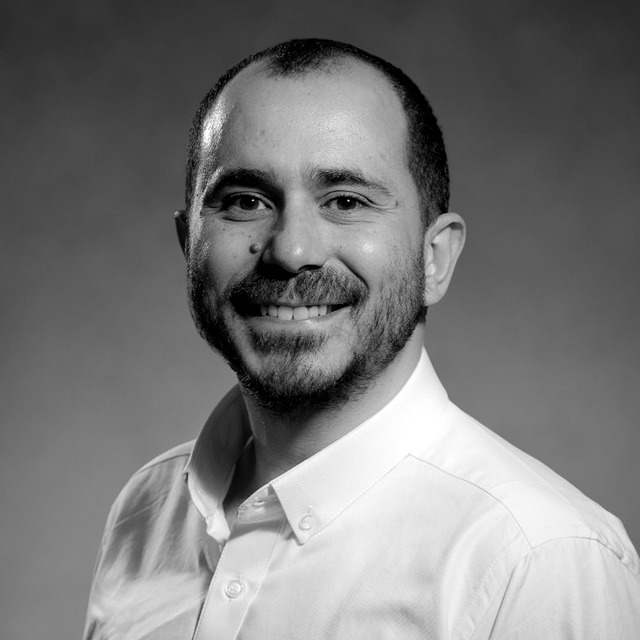
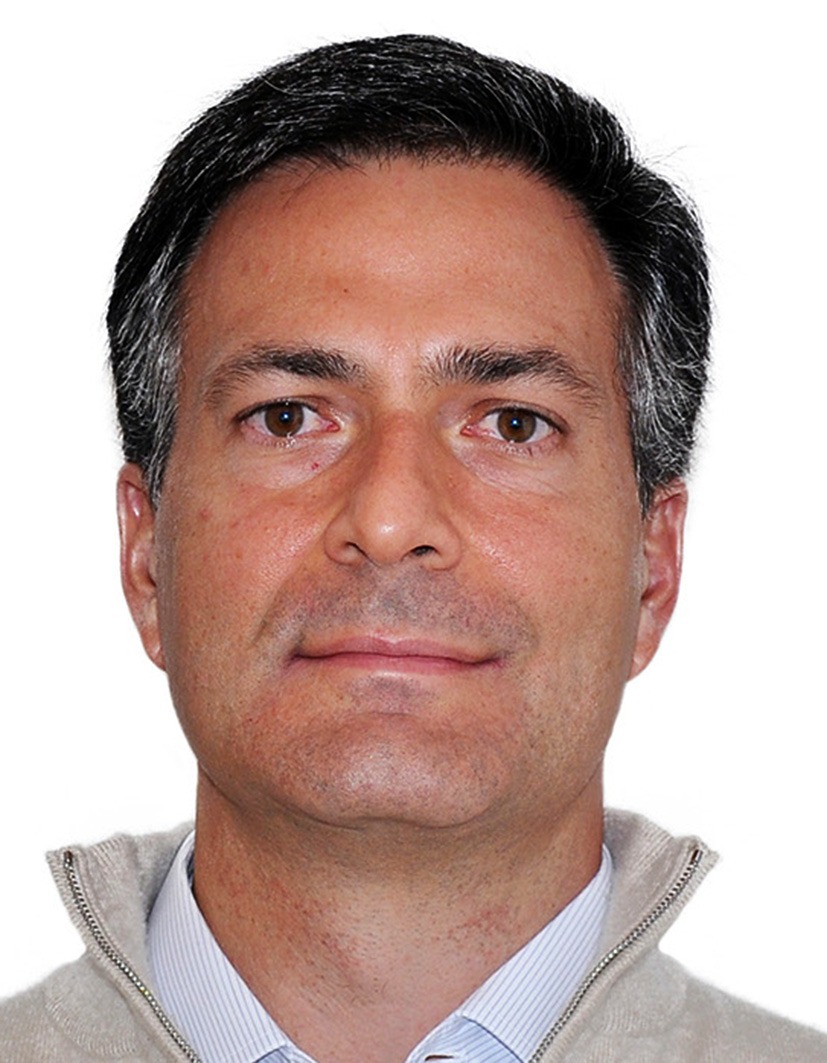
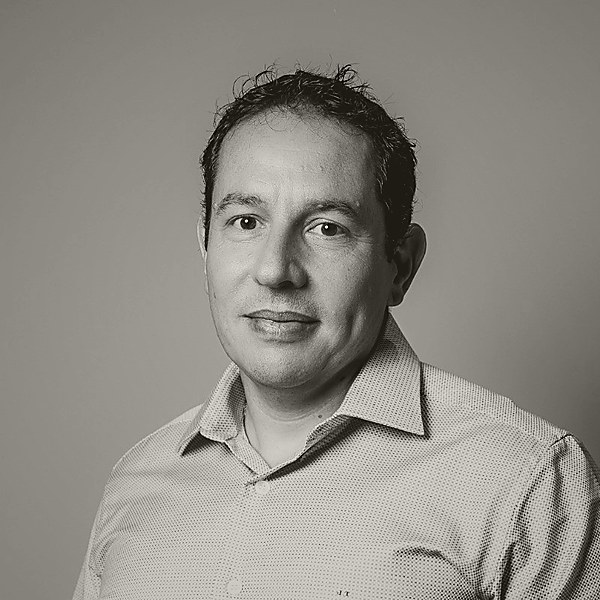
João Maia has worked in strategy, operations, investments, and business development across different contexts in Brazil. Before Lac Léman Capital, he was a manager at Bain & Company, where he supported global investors in assessing investment opportunities across Brazil's many value chains. He has over 10 years of experience leading teams, working specifically in infrastructure, energy, industrials, mining, financial services, software, and agriculture. João is a civil engineer from UFRJ and holds an MBA from the University of Oxford.
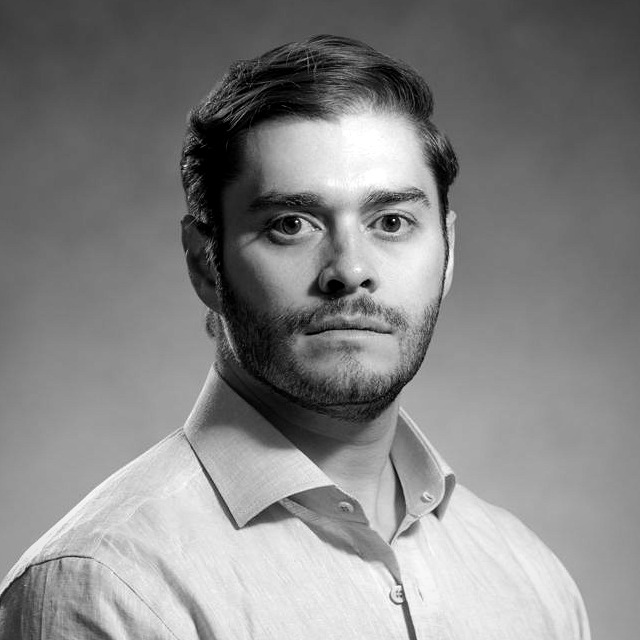
Pedro Bogado built his career in strategy, operations, and M&A, with experience in Brazil and abroad. Before Lac Léman Capital, he worked in infrastructure and search funds in Brazil and, abroad, at the headquarters of Grundfos, the Danish industrial leader, where he led several acquisitions across Europe, the United States, and Canada. Pedro holds a degree in Mechanical Engineering from UFF, an MBA from the International Institute for Management Development (IMD) in Switzerland, and a finance education from London Business School.

We are backed by institutional funds and individual investors with a proven track record in the search fund model, across Brazil, the Americas, and Europe — combining global experience with deep knowledge of the Brazilian market.


The search fund model was created in 1984, at the Stanford Graduate School of Business.
It allows experienced entrepreneurs to raise capital to find, acquire, and operate an existing company.
In Brazil, the first search fund emerged in 2015. Notable exits include Agger Seguros (sold to TOTVS) and i4Pro (sold to Banyan Mercury).
The model rests on a simple principle: whoever runs the business owns it.
Selling a company you have built is a major decision. It's worth understanding clearly who sits on the other side of the table.